
On-Site Service
On-Site Pipette Calibration
Your pipettes never leave the building.
- Turnaround
- Same day
- Per visit
- 40–60
- Scheduling
- 5–10 days
Most instruments are returned to the bench within hours
Per technician, per standard service day
From confirmed purchase order to on-site arrival
A GSI technician arrives at your facility with a full mobile metrology kit — calibrated analytical balances, environmental monitoring, Type II water, and replacement seals — and calibrates your pipettes at the bench. Instruments stay in your custody, your chain of custody stays intact, and your team keeps working.
What's included
Every on-site engagement includes
No optional extras hiding behind the headline price. This is the standard scope.
- Mobile metrology kit
- Calibrated analytical and microbalances with traceable weight sets, evaporation traps, and a monitored environmental enclosure so gravimetric results hold at your bench, not just in our lab.
- Environmental capture
- Temperature, barometric pressure, and relative humidity are recorded at the point of test and applied to the Z-factor correction required by ISO 8655-6.
- Preventive maintenance on the spot
- Disassembly, cleaning, seal and O-ring replacement, and lubrication are performed during the visit. Common consumables travel with the technician.
- As-found and as-left data
- Every instrument is measured before adjustment and after, so you have the evidence trail an auditor asks for when an out-of-tolerance result appears.
- Immediate out-of-tolerance notification
- If an instrument fails as-found, your quality contact is told before the technician leaves — not two weeks later in a PDF.
- Asset inventory reconciliation
- Serial numbers, locations, users, and due dates are reconciled against your register during the visit and returned as a clean, current asset list.
How a visit works
From first call to
certificate in hand.
No hidden stages, no surprise line items, and no work performed before you approve it.
Scope the visit
Send an instrument list or let us build one. We confirm counts, channel configurations, volume ranges, and the plan tier for each asset.
Confirm the schedule
You pick the service window. We stage the mobile kit and confirm site access, PPE, and any gowning or training requirements in advance.
Calibrate at the bench
Technicians work in your lab, in a defined staging area, moving through the asset list in the order that least disrupts your workflow.
Document and hand off
Certificates and calibration labels are issued, the asset register is reconciled, and any recommended follow-up is reviewed with your quality contact.
Is this the right route?
On-Site is built for
laboratories like these.
If none of these describe you, say so on the quote form and we'll recommend a different route — including one that isn't ours if that's the honest answer.
- Laboratories that cannot release instruments from the facility
- Sites with 20+ pipettes where shipping logistics outweigh scheduling
- Controlled environments with restricted material transfer
- Teams that want technicians available for questions during service
Standards & compliance
The paperwork is
half the deliverable.
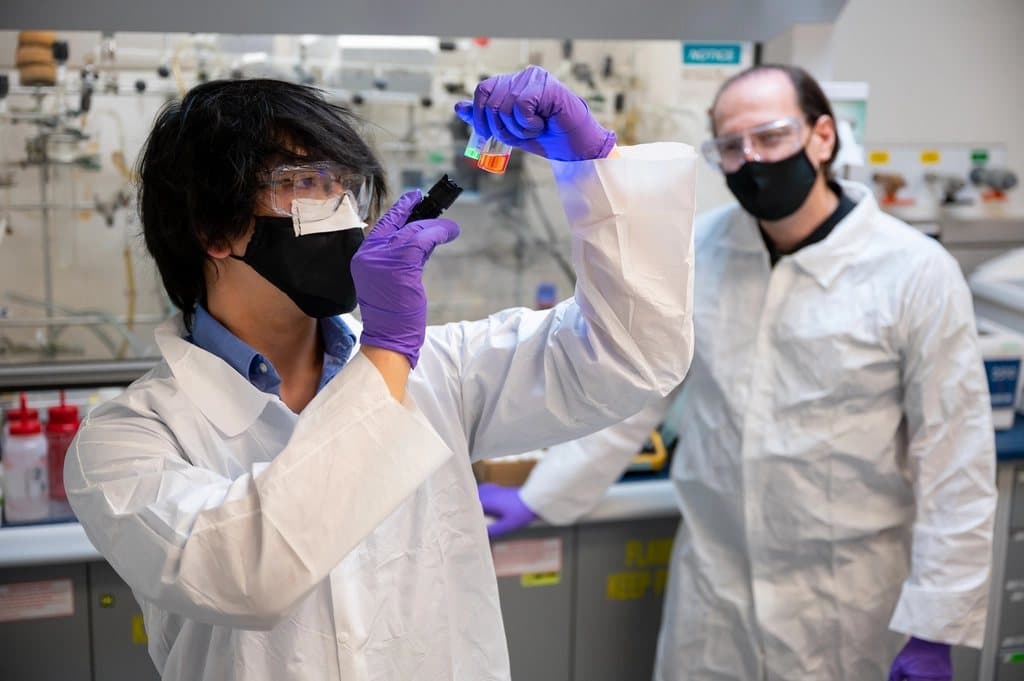
A calibration you cannot defend is a calibration you did not really buy. Every protocol we run is built against the standards your auditor already knows.
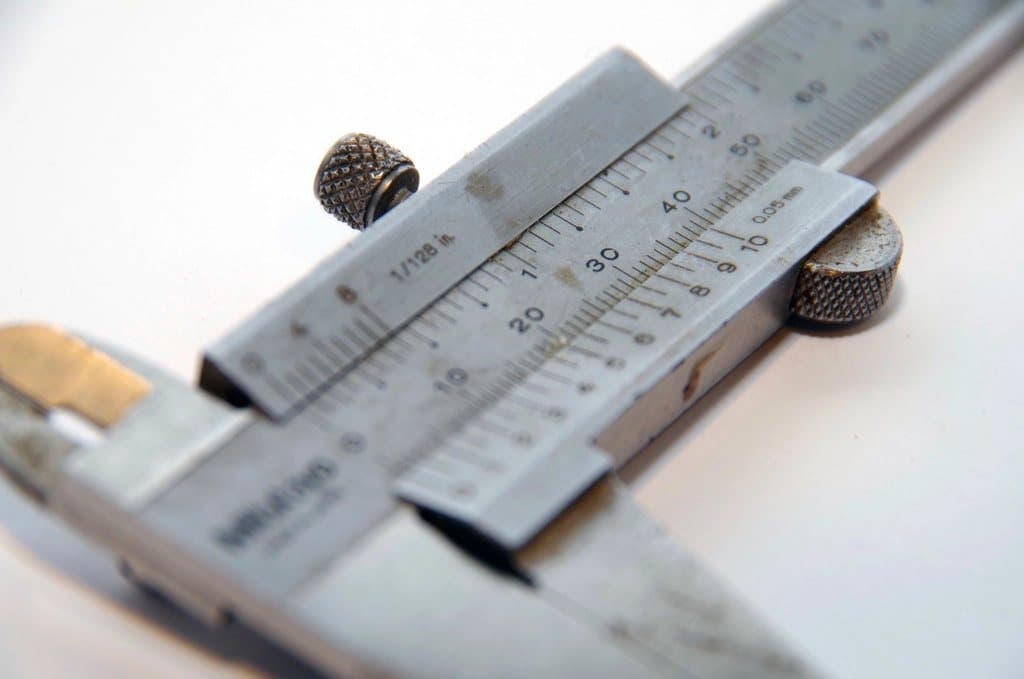
Traceability is a chain — every link of ours is documented.
All calibrations are performed in accordance with ISO/IEC 17025, ISO 8655-1, and ISO 8655-2. Our calibration software is 21 CFR Part 11 compliant.
- ISO/IEC 17025Testing and calibration laboratory competence
- The general requirements for the competence, impartiality, and consistent operation of calibration laboratories. It governs how we control methods, equipment, traceability, and reporting.
- ISO 8655-1Piston-operated volumetric apparatus — terminology and requirements
- Defines the terminology, general requirements, and maximum permissible errors for piston-operated volumetric apparatus, including the accuracy and precision limits a pipette must meet.
- ISO 8655-2Piston-operated pipettes
- The specific requirements and test methods for piston-operated pipettes — the protocol that determines how many measurements are taken, at which volumes, and under what conditions.
- 21 CFR Part 11Electronic records and electronic signatures
- Our calibration software is 21 CFR Part 11 compliant, so the electronic records and signatures behind your certificates hold up in a regulated environment.
Service questions
What laboratories ask us.
Still have a question?
Talk to a metrology technician, not a call centre. We’ll tell you straight whether we can help.
Get started
Tell us what's on your bench.
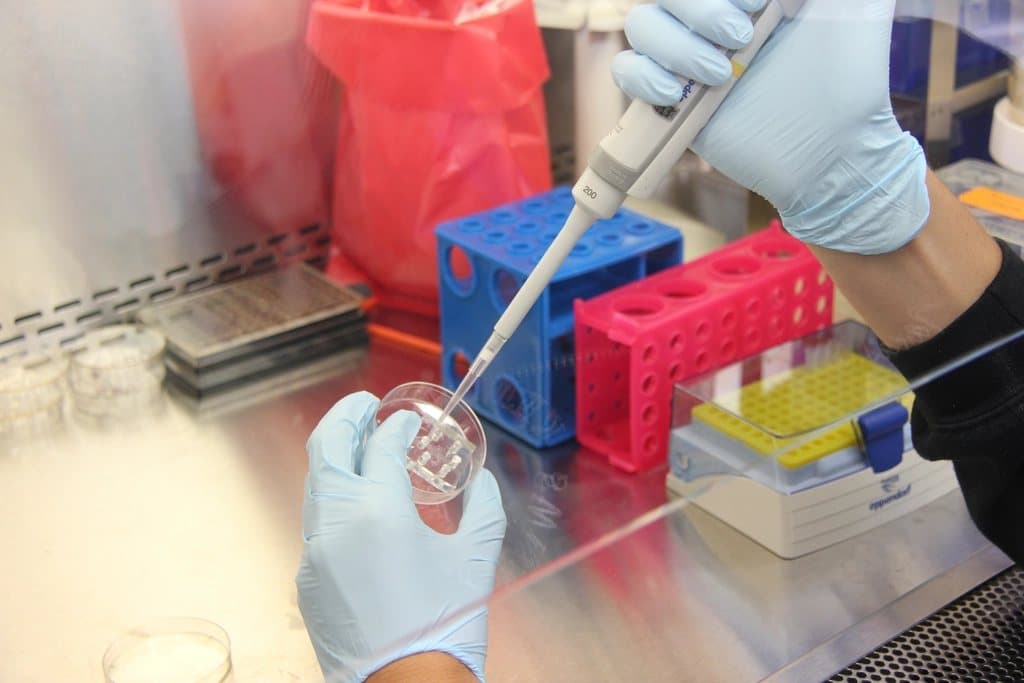
Send an instrument list — or a photo of the drawer. We'll come back with a written quote, a recommended plan tier, and a schedule that fits your workflow.
No obligation · Written quote · Monday – Friday, 8:00 AM – 5:00 PM ET